
Shaded Steps, Cooler Streets
Step into cooler streets where walking feels inviting even on scorching afternoons. Today we explore Cooling the Walk: Street Trees, Canopies, and Cool Pavements for Heat-Resilient Cities, connecting science, design, and community action. Discover how shade, breathable surfaces, and thoughtful planting transform daily errands into comfortable journeys, cut energy demand, and protect vulnerable neighbors. Expect practical tactics, heartfelt stories, and simple steps you can champion on your block.
Heat You Can Feel: Understanding the Sidewalk Microclimate
Summer sidewalks can be several degrees hotter than the nearest park, not only because of air temperature but because concrete, asphalt, and glass radiate heat back to the body. By reading mean radiant temperature, surface albedo, materials moisture, and wind patterns, we can forecast how a block will actually feel at noon. This knowledge turns climate data into actionable comfort, guiding placements for trees, shade structures, and cool pavements that make every midday errand safer, calmer, and genuinely walkable.
Planting for Lasting Shade: From Roots to Crown
Shade that lasts decades is planned from underground upward. Start by matching species to site constraints, future street reconstructions, and utility corridors. Prioritize generous soil volumes, continuous trenches, and irrigation options that capture stormwater. Design curb extensions, permeable strips, and structural cells to prevent compaction. When roots have room and water, crowns broaden, branches knit across the street, and children in summer find cool patterns of light guiding every footstep.
Cooler Surfaces Underfoot: Materials That Work With the Sun
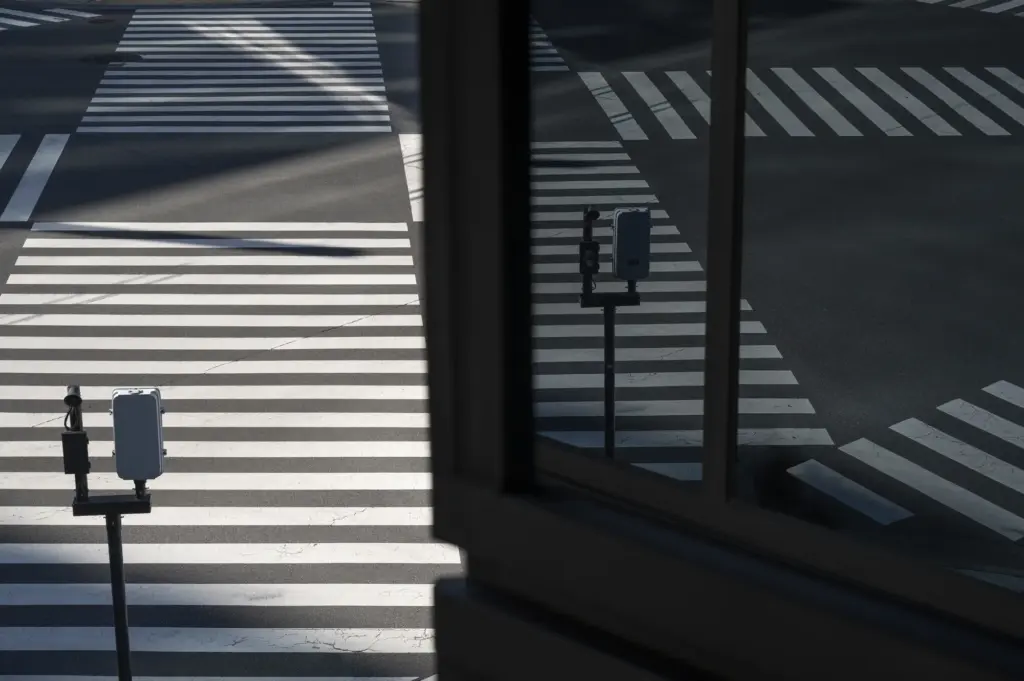
Surfaces that stay cooler matter because feet, wheels, and paws meet them constantly. Advances in pavements now offer reflective coatings, high-albedo aggregates, porous asphalts, and modular systems that store less heat and release it more quickly after sunset. When paired with shade, these materials can drop surface temperatures dramatically and nudge local air readings downward. Neighbors notice the difference immediately, reporting calmer crossings and fewer heat shimmer mirages on long blocks.
Designing the Walk: Comfort, Wayfinding, and Delight
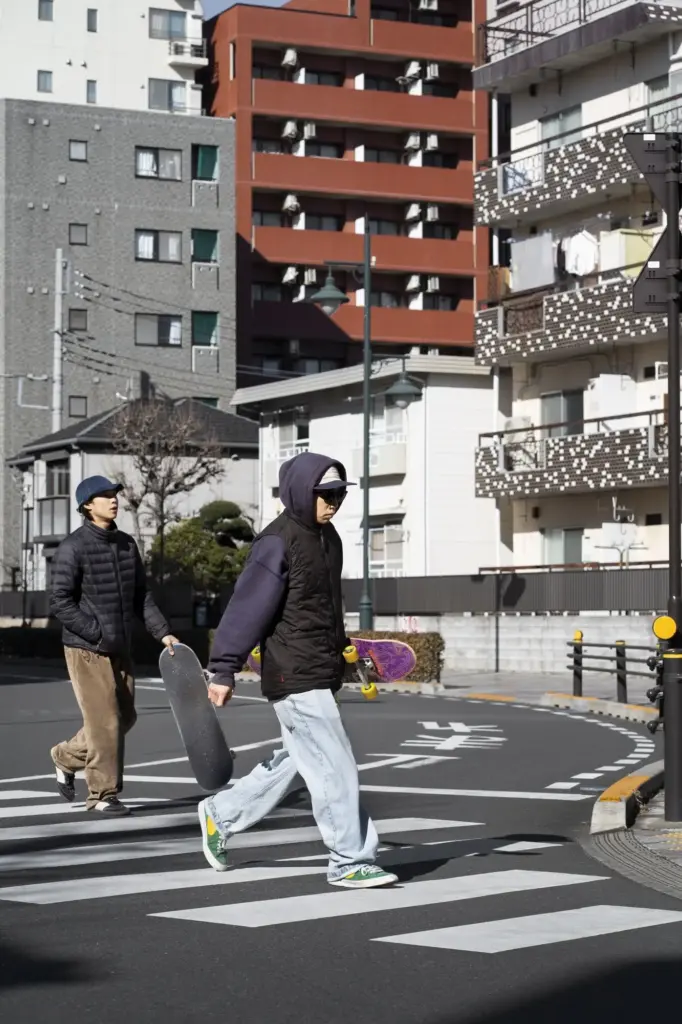
Great cooling strategies dissolve into everyday life when they honor how people actually move. Map schools, clinics, markets, transit stops, and workplaces, then stitch shade to these destinations in a readable rhythm. Offer places to pause, refill water, and cross safely. Design details—sightlines, lighting, handrails, curb ramps—matter more on hot days when attention wanes. Make the walk not just survivable, but delightful, so errands feel like invitations.
Instead of aiming for a perfect canopy everywhere, design alternating pockets of deep shade and dappled light at predictable intervals. This cadence helps bodies recover between exposures and aids navigation for those who plan routes carefully. Pair shade nodes with art, signage, and wayfinding that acknowledge heat, celebrate local culture, and guide visitors toward cooler detours when temperatures spike unexpectedly, keeping commerce flowing and neighbors comfortable despite the forecast.
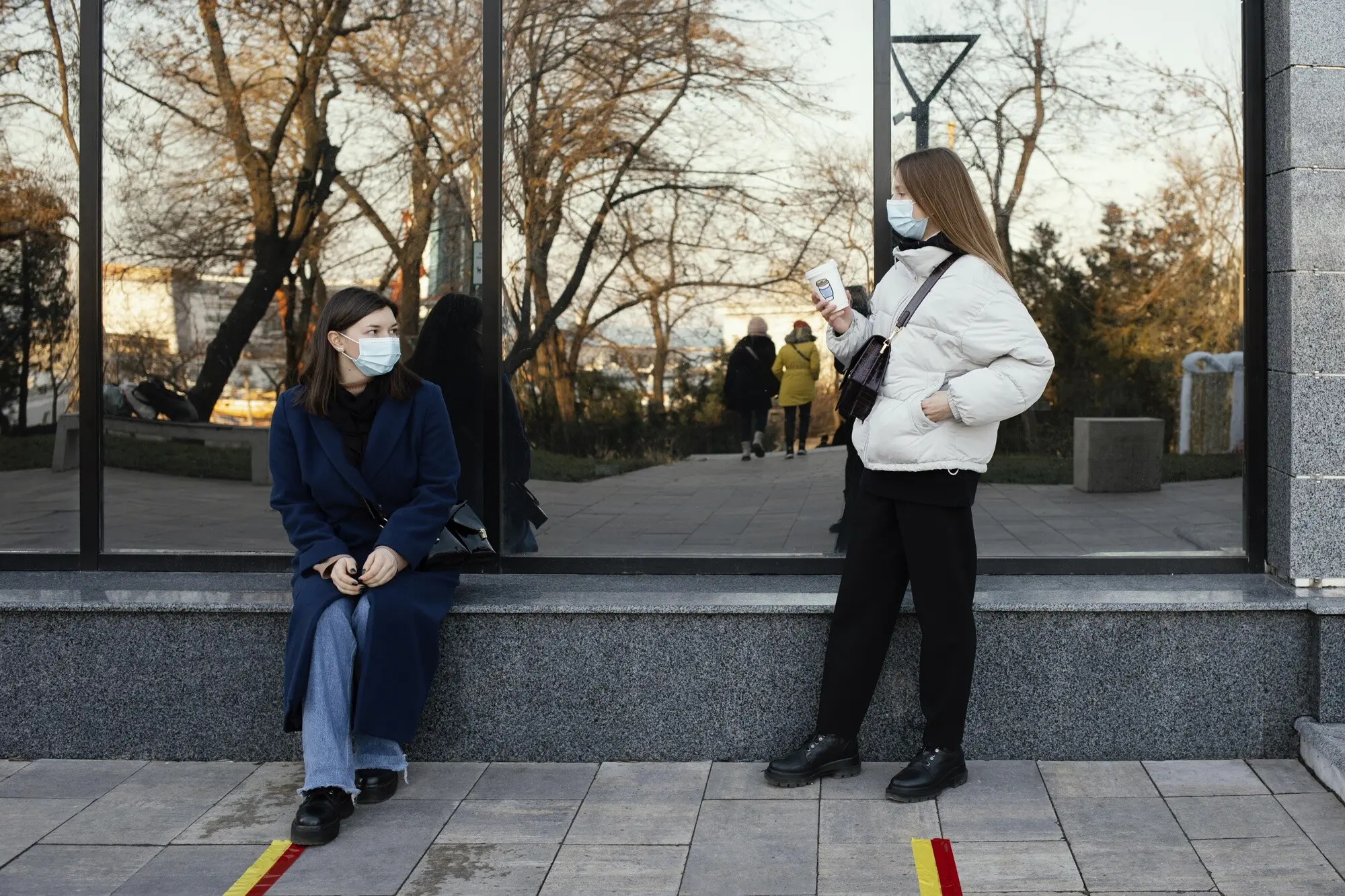
On the hottest afternoons, even a few meters of seating in shade can decide whether someone finishes a trip or turns back. Integrate benches with tree pits, misting fountains, bottle fillers, and sheltered stoops donated by storefronts. Design for wheelchairs, strollers, and carts. Invite cafes to share cooling zones, tracked by simple stickers. These touches convert streets into caring networks where rest, hydration, and dignity are always within reach.
Heat that soaks into pavements lingers after sunset, exhausting residents and stressing electrical grids. Combine cool materials with trees to accelerate evening release, then measure overnight drops with low-cost sensors. Better sleep, improved school performance, and calmer mornings often follow. Program dawn watering, evening markets, or night walks under illuminated canopies to extend benefits. Cooling is not only about noon; it is a full-day, whole-life wellbeing strategy.
Health, Equity, and Community Power
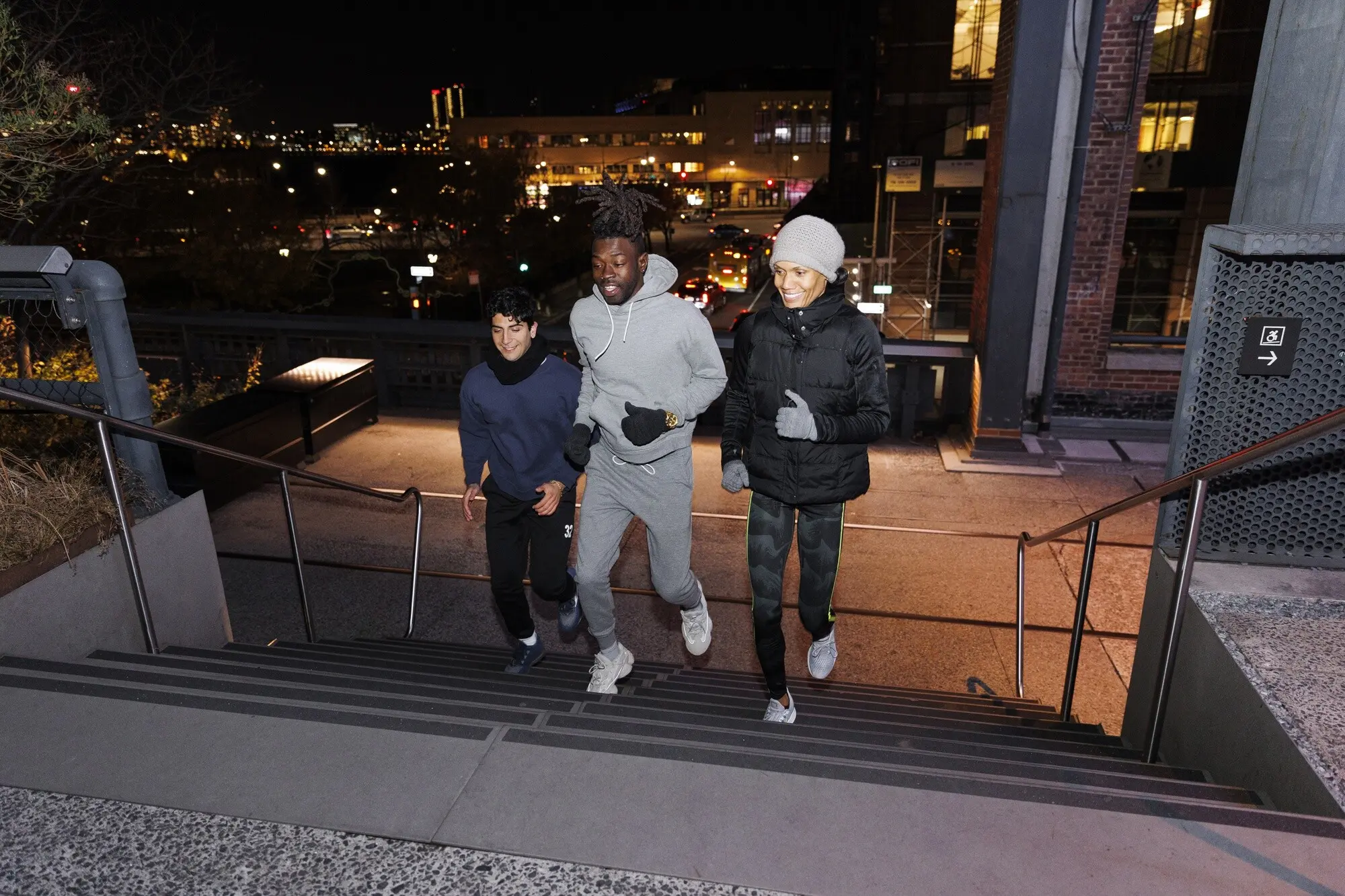
Heat risk concentrates where shade is scarce, incomes are lower, and chronic illness is higher. Cooling the walk becomes a public health intervention, reducing heat-related illness while encouraging gentle, daily movement. Engage tenants, street vendors, delivery workers, and elders as experts, not afterthoughts. Pay stipends for input, offer tree-care apprenticeships, and broadcast updates in multiple languages. When neighbors lead, projects last, and trust grows alongside the canopy.
From Pilot to Policy: Funding, Maintenance, and Momentum
Procurement That Rewards Performance
Write contracts around measurable comfort: surface temperatures, canopy growth, and survival rates, not only installation counts. Include community satisfaction surveys and maintenance responsibilities with real budgets. Longer warranties keep partners invested. Transparency on costs, performance, and lessons learned makes future bids sharper, opening doors for innovators who can deliver shade faster, safer, and more beautifully where people actually walk, wait for the bus, and cross busy intersections daily.
Maintenance That Grows Value
The coolest corridor is one that improves with age. Fund pruning, watering, soil care, and rapid repairs to reflective surfaces or permeable joints. Use sensors and neighbor reports to route crews efficiently. Celebrate maintenance stories alongside ribbon cuttings so caretakers feel visible. Over years, healthy crowns widen, pavements stay brighter, and blocks become landmarks of comfort, attracting foot traffic, outdoor seating, and evening strolls that strengthen local business resilience.
Measure, Share, and Celebrate Progress
Invite readers to subscribe, receive seasonal checklists, and join simple experiments: measure shade footprints at noon, log sidewalk surface temperatures, or count occupied benches under trees. Publish maps and dashboards that translate numbers into choices. Share before-and-after photos, short videos, and audio notes from residents. When people see evidence and joy together, they advocate bravely for the next investment, accelerating a virtuous cycle of cooler walks and stronger communities.
All Rights Reserved.