
Tracing the Paths People Actually Take
Why People Cut Corners
Collecting the Signals
Ethical Mobile Traces
We use opt-in logs, aggregated to coarse tiles and time windows, deleting rare paths that could re-identify someone. Clear notices, local data stewardship, and public benefit statements build trust. Even with safeguards, we validate with on-the-ground observation, because subscription bias, dead batteries, and cash phones can distort signals, especially for youth, elders, night-shift workers, and families sharing devices.
Computer Vision Without Overreach
Short clips from pole-mounted cameras or drones can reveal flow directions and cluster behaviors without storing faces or plates. Edge processing counts motion and discards imagery, retaining only anonymous vectors and timestamps. Limited sampling windows, clear signage, and community boards keep accountability high. When storms pass or leaves fall, repeating runs captures how seasons recast shortcuts and puddle avoidance.
From Raw Points to Insight
Cleaning and Normalizing
Visualizing Flow
Detecting Shortcut Candidates
Quick Wins with Tape and Cones

Permanent Upgrades
Inclusive Access
Measuring Impact
Case Files and Lessons
01
Campus Diagonal, Reimagined
Students crossed the grass regardless of signs, so we tested a mown strip, then crushed granite, then lights. Rain exposed a puddle that forced detours; a tiny trench and boardwalk segment solved it. Benches at desire pauses decreased lawn damage, and graduation photos began featuring the new path, converting critics who once demanded fences and penalties.
02
The Park Desire Path, Legalized
Dog-walkers carved a cool, shaded arc along oaks. We flagged roots, adjusted alignment, and chose permeable pavers settled on gravel. Volunteers planted sedges as living edges. With signage co-designed by neighbors, complaints faded. Maintenance costs dropped as erosion slowed, and kids started biking confidently to the playground instead of skirting traffic on a narrow shoulder.
03
Faster, Safer Transfers
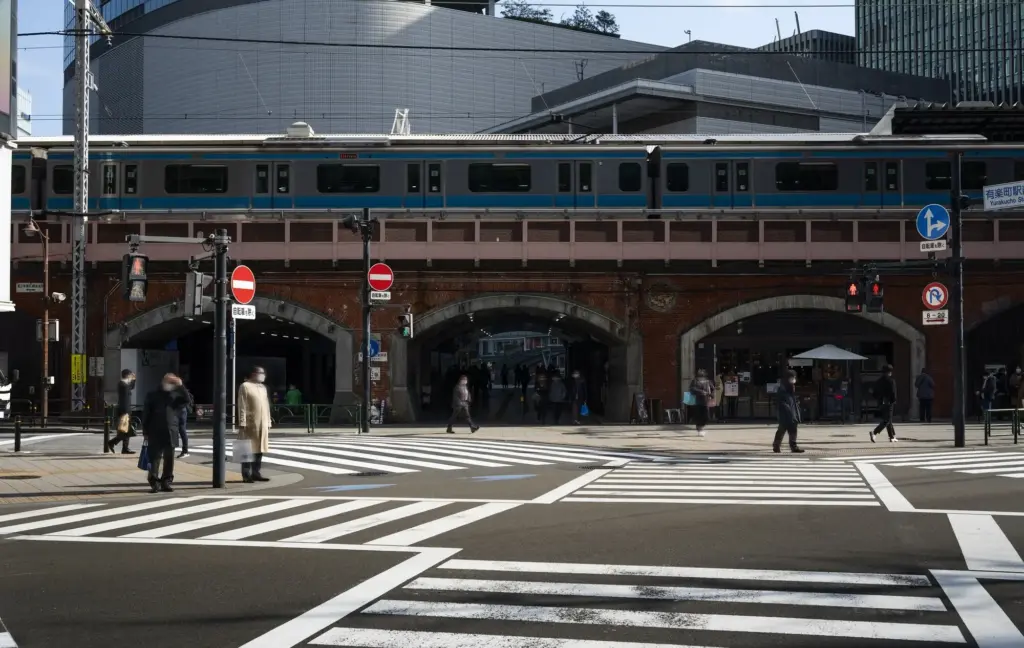
At a transfer center, riders were sprinting mid-block to catch buses pinned by schedules. We painted a high-visibility crossing aligned with their line of travel, tightened turns, and added a refuge island. Conflicts fell, and drivers reported calmer approaches. Operators supported extending the fix across routes once they saw punctuality improve without harsher enforcement.
Map Your Neighborhood
Share a Shortcut Story
All Rights Reserved.