Cool, Rested, Ready: Better Stops for Better Trips

Waiting should feel safe, shaded, and humane. Today we focus on shade and seating at transit stops, improving first and last mile comfort for riders of all ages. Explore practical designs, community stories, and measurable tactics that reduce heat stress, support accessibility, and turn short waits into welcoming moments that encourage more everyday transit use.

Why Comfort at the Curb Changes Everything

Small details at the stop ripple through an entire journey. Shade lowers radiant heat, seating reduces fatigue, and clear edges create a sense of order. When the first and last steps feel considerate and calm, riders perceive waits as shorter, connections as smoother, and the whole system as more trustworthy, especially for older adults, caregivers, and students juggling bags, strollers, or responsibilities on tight schedules across unpredictable weather.

The Psychology of Waiting

Perceived time is elastic. A bench, backrest, and a view of the bus approaching reduce anxiety and make five minutes feel like two. Posting real-time arrivals, providing a lean rail, and offering small comforts signal care, improving mood and willingness to transfer or walk a few extra blocks.

Health and Safety in Extreme Weather

Heat, sun, wind, rain, and ice shape whether waiting feels tolerable or dangerous. Shade reduces radiant load and UV exposure; canopies deflect precipitation; textured surfaces prevent slips. Simple additions—drinking fountains, misting in hot climates, snow-free seating—protect vulnerable bodies and keep essential trips possible year-round.

Equity and Dignity on the Sidewalk

Stops are public living rooms for people who cannot opt out of transit, including low-income workers and those with disabilities. Seating at a dignified height, clean shelters, and lighting communicate respect, reducing stigma around waiting and reinforcing that mobility is a shared civic right.

Designing Shade That Actually Works

Great shade is more than a roof. It considers sun angles across seasons, afternoon heat bursts, reflected glare from pavement, and breezes that either cool or chill. Combining trees, high-albedo canopies, and side panels where needed creates a microclimate that protects bodies without blocking visibility, operations, or maintenance.

Seating for Every Body and Every Moment

Seating works when it welcomes many bodies and many moments. Backrests, armrests, and varied seat heights aid older adults, pregnant riders, and anyone with limited mobility. Lean rails help during quick transfers. Space for strollers, mobility devices, and bags prevents conflict, while materials and spacing deter misuse without punishing rest.

Tying the Stop Into the First and Last Mile
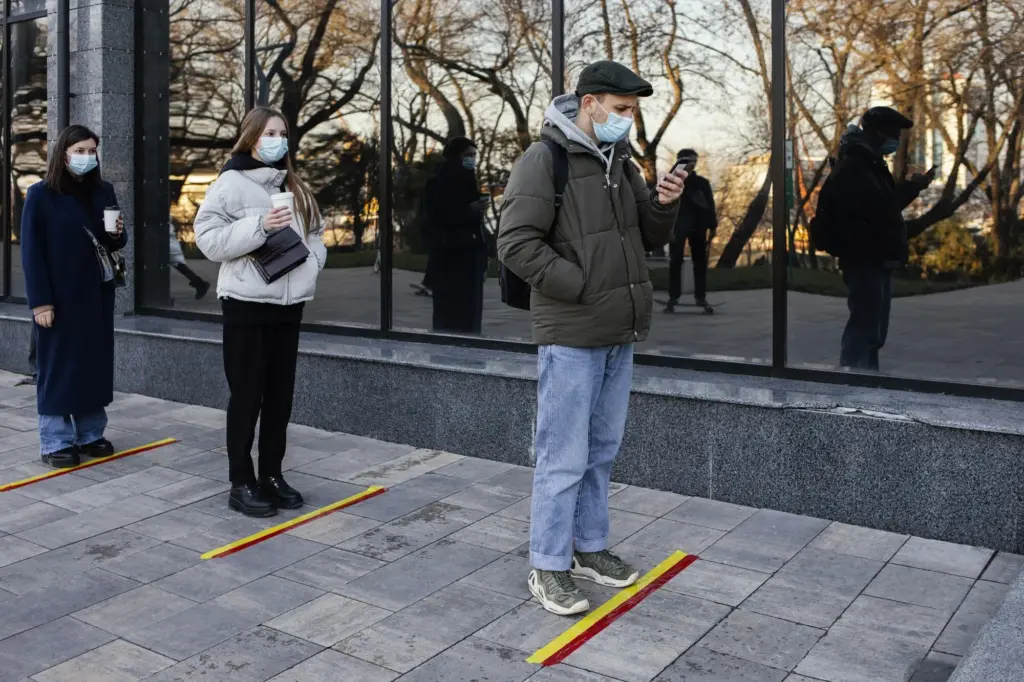
The stop is a hinge between walking, rolling, biking, and the bus. Thoughtful curb management, intuitive wayfinding, and nearby bike or scooter parking reduce friction during transfers. When approaches feel direct, legible, and well-lit, first and last mile segments shrink psychologically, saving energy and precious minutes.

Pilot Quickly, Measure Honestly, Improve Relentlessly

Start with low-cost prototypes using shade sails, interim benches, and paint to claim space. Measure temperatures, dwell times, and rider feedback before committing. Share results openly, adjust designs, and repeat. Incremental improvements build momentum and trust while exposing hidden constraints early, when change is cheap.

Materials, Repairs, and Operations That Age Well

Select materials for climate, vandalism risk, and cleaning reality. Specify tamper-resistant fasteners and standard hole patterns. Write maintenance scripts with frequencies, products, and response times. Train crews to spot hazards like loose bolts or ponding quickly, turning small fixes into visible wins riders can feel tomorrow.

Funding, Sponsorship, and Creative Partnerships

Blend funding sources to reduce fragility. Pair capital grants with sponsorships that buy benches, shade cloth, or repairs without dominating visuals. Community benefit districts, healthcare partners, and universities can contribute where ridership concentrates. Celebrate donors modestly, and prioritize continuity so amenities remain dependable beyond pilot headlines.

Prove the Impact and Invite People In

Comfort is measurable and meaningful. Track shade coverage, surface temperatures, wait-time satisfaction, and near-stop retail dwell. Watch for ridership stability during heat waves and improved transfers after seating upgrades. Invite neighbors to adopt stops, share maintenance notes, and co-design improvements that feel local, loved, and lasting.