
Building a Citywide Rest Network for Everyone
Mapping Need and Opportunity
Reading the Walking Landscape
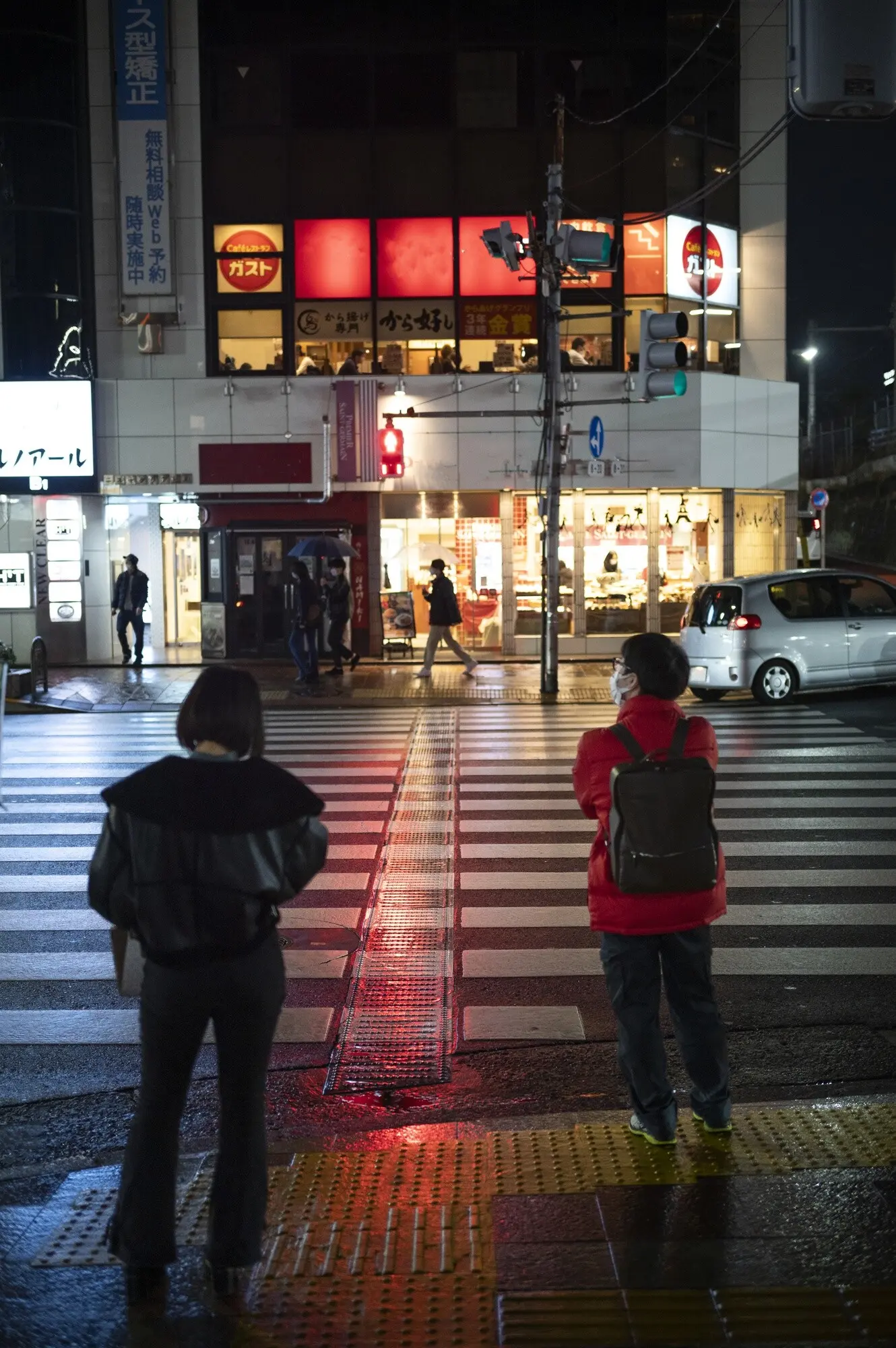
Observe when parents slow after playgrounds, how older adults pace near pharmacies, and where commuters cluster at crossings. Desire paths, missed bus stops, and shaded stoops reveal micro-geographies of fatigue. Capturing these rhythms turns abstract maps into lived itineraries that invite timely, welcoming, and legible places to pause.
Data Sources That Matter
Blend pedestrian counters, short intercept surveys, open transit feeds, curb inventories, crash records, and accessibility audits with community memory. Combine GIS heat maps and street-level walks to challenge assumptions. When numbers and narratives align, bench priorities become obvious, defensible, and ready for action, budgeting, and transparent public accountability.
Human-Centered Comfort

Equity and Accessibility First
Distance Standards with Empathy
A Prioritization Matrix That Listens
Co-Design in Everyday Places
Fitting Within the Right-of-Way
Durability, Cleanliness, and Care
Managing Conflicts and Friction
Wayfinding, Rhythm, and Delight
Measurement, Pilots, and Iteration
Policy, Funding, and Stewardship
Policy Levers That Unlock Comfort
Adopt street design manuals recognizing resting as mobility infrastructure. Require benches with new sidewalks, transit upgrades, and major redevelopments. Permit quick, pre-approved models curbside. Align liability frameworks with care, not fear. Simple, predictable checklists empower small teams to deliver comfort rapidly without endless exceptions, hearings, or bespoke negotiations.
Partnerships That Share the Load
Engage business districts, libraries, clinics, schools, unions, and faith groups to steward nearby benches. Define cleaning, reporting, and minor fixes in friendly memoranda. Offer recognition without advertising clutter. Co-ownership deepens pride and keeps benches visible, safe, and cared for, especially during storms, holidays, and staffing shortages citywide.
Sustaining Trust Through Transparency
Publish maps of installed, scheduled, and requested benches with timelines and maintenance logs. Provide channels for photos, tags, and accessibility notes. Celebrate community stewards publicly. When residents witness promises kept, they offer sharper insights, faster alerts, and patient collaboration, sustaining a culture where resting proudly supports movement for all.
All Rights Reserved.