

Shorter Walks, Safer Streets, Happier Cities

Today we explore Unlocking Pedestrian Permeability: Mid-Block Crossings, Alleys, and Cut-Throughs that Shorten Trips, translating urban transport theory into friendly steps that save minutes, amplify safety, and reveal everyday beauty. Walk with us through proven tactics, lively stories, and tools you can apply tomorrow.

Map the Way People Already Walk

Before any paint, pavers, or bollards, observe how feet already draw their own maps. Follow footprints across snow, tire-worn dirt paths beside fences, and hurried lunchtime diagonals between blocks. Understanding these desire lines turns guesswork into empathy, and empathy into efficient, delightful shortcuts everyone trusts and chooses daily.

Desire Lines Written in Chalk and Snow

On the first snowfall, a city reveals its secret atlas. Tracks show the missing crossing, the hedge people squeeze around, and the alley that quietly outruns the long signalized corner. Photograph, trace, and verify with counts; then turn these candid preferences into sanctioned, safe, and legible connections people will love.

When Fences Become Invitations

A broken chain-link panel often signals impatience with lengthy detours. Instead of replacing barriers, ask what connection the neighborhood is begging for. A narrow cut-through with lighting, planting, and clear sightlines can transform trespass into welcome, saving minutes for caregivers, commuters, and schoolchildren while reducing conflicts along crowded arterials.

Cross Mid-Block with Confidence

Mid-block crossings flourish when they feel obvious, protective, and dignified. Curb extensions tighten exposure, median islands create a two-stage refuge, and daylighting clears sightlines. Add high-visibility markings, tactile warnings, and beacons where warranted. When respect is designed into the pavement, drivers notice, speeds drop, and walking becomes joyfully direct.

Design that Signals Respect

Combine ladder-style markings, advance yield lines, and raised tables to elevate human priority without confusion. Rectangular rapid-flashing beacons prompt yielding on corridors with moderate volumes, while pedestrian hybrid beacons assist on busier streets. Align crossings precisely with desire lines to reduce lateral drift, and pair every upgrade with simple, story-rich signs.

Visibility Beats Speed

Daylight the approach by removing a parking space or two near the crosswalk, giving drivers and walkers clear views earlier. Slim lanes, textured tables, and corner islands subtly negotiate lower approach speeds. Add tree spacing and lighting that frames faces, not glare, so eye contact becomes easy and frequent.

Alleys Reimagined as Friendly Passages

Behind-the-scenes lanes can become luminous shortcuts. Replace dumpsters with managed enclosures, add string lights, murals, and permeable paving, and coordinate deliveries to quieter hours. With active ground floors, neighbors’ windows, and precise maintenance, alleys turn from forgotten backdoors into cherished micro-streets that trim trips and strengthen local life.

From Back-of-House to Beloved Front Door

Start by cleaning, sealing, and brightening surfaces. Introduce planters, seats, and art that respects service needs while celebrating passersby. Where trucks still use the corridor, apply shared-space cues and low design speeds. Soon, people naturally choose the alley, shaving blocks from errands without sacrificing comfort, light, or dignity.

Light, Eyes, and Small Delights

Short, frequent luminaires create an even rhythm that reads as safe rather than stark. Add windows, side entrances, and community notice boards to place friendly eyes on the lane. A tiny coffee hatch or book exchange invites pause, transforming a onetime shortcut into a memorable, dependable daily companion.

Micro-Uses That Welcome Good Footfall

Permit revolving micro-uses like weekend craft tables, curbside recycling pop-ups, or neighborhood plant swaps. Low-stakes programming regularizes presence and deters neglect. Pair this with clear loading hours, accessible surfacing, and emergency access protocols, proving that convenience, character, and operational needs can share the same narrow ribbon gracefully.

Cut-Throughs That Stitch the Grid

Where superblocks, campuses, or cul-de-sacs disrupt direct travel, slim passages can elegantly reconnect the pattern. Think landscaped mews, pocket bridges, or fence portals with welcoming wayfinding. When these links align with everyday destinations, walking claims precious minutes back, reframing distance as a gentle sequence of discoveries rather than chores.

Designing for Safety and Clarity

Great shortcuts never feel ambiguous. Sightlines are open, surfaces consistent, and cues redundant. Combine color, texture, and signage to say you belong here without shouting. Maintain accessible grades, drainage, and smooth joints. Every decision should reduce hesitation, because confidence is the secret accelerant that actually shortens everyday trips.

Wayfinding That Feels Like an Invitation

Install breadcrumb signage at corners, showing minutes, not just meters, to the next landmark. Reinforce with pavement markers, small maps at eye level, and destination cues painted on bollards. When people instinctively know the route and timing, they walk it more often, share it widely, and defend it proudly.

Tactile and Auditory Cues for All

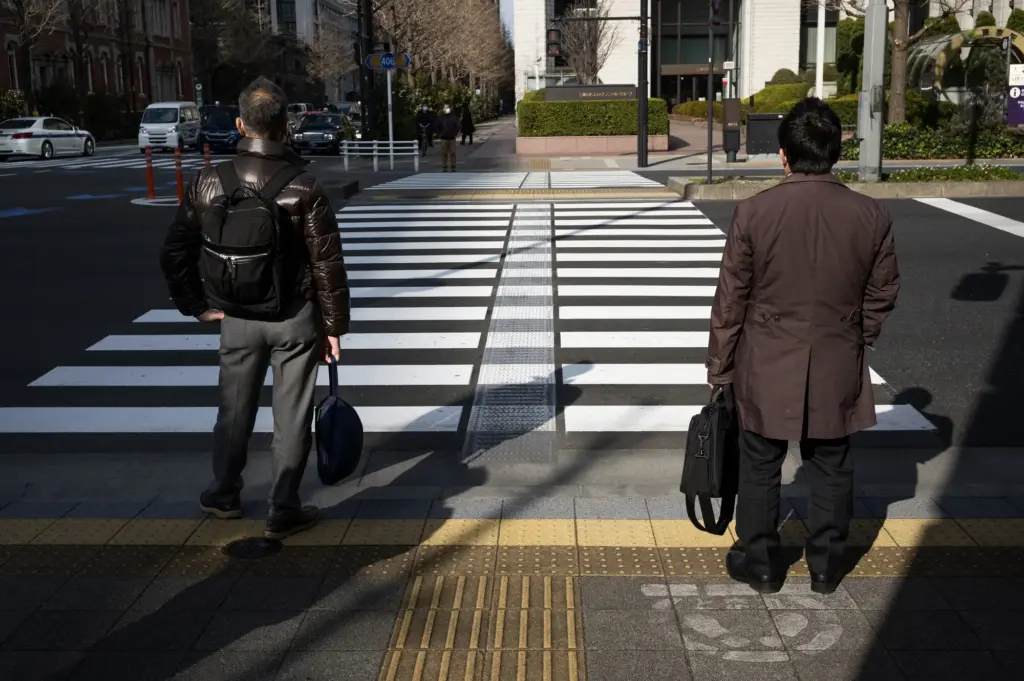
Pair tactile guidance strips with contrasting edges and predictable crossings. Where appropriate, add audible beacons that confirm alignment without overwhelming the streetscape. Consistent details help cane users, stroller pushers, and distracted teenagers alike. Accessibility multiplies usage, and broader usage improves safety through familiarity and reliable, neighborly presence.
Maintenance as a Safety Feature

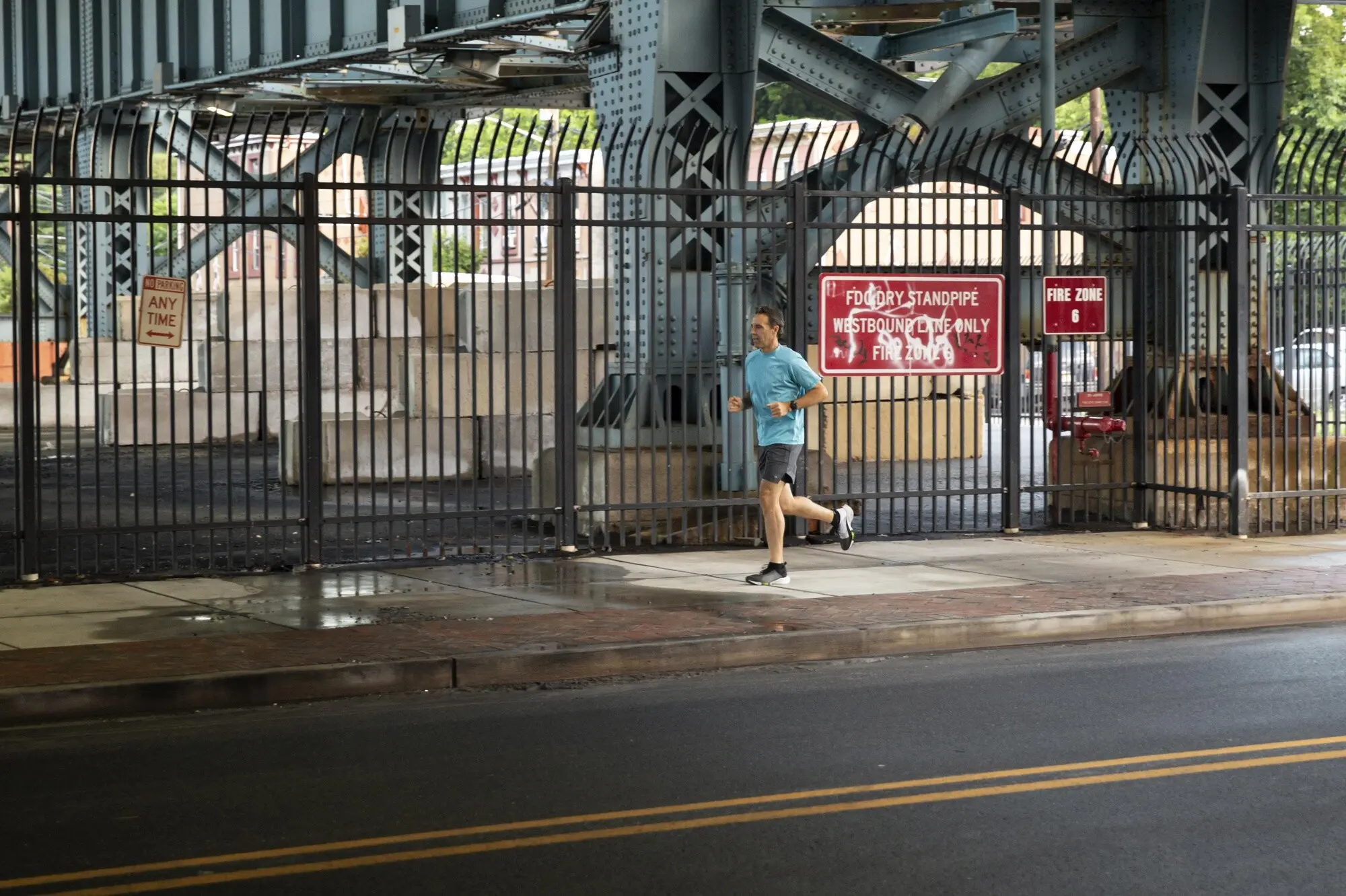
Commit to a simple, public maintenance schedule: sweeping, lighting checks, prompt graffiti care, winter snow priority, and accessible detours during work. When pathways look loved, people trust them. That trust converts into higher footfall, better passive surveillance, and a virtuous cycle where care and usage reinforce each other.

Policies and Quick Wins That Unlock Movement

Small changes can happen this season. Update crosswalk policies to allow mid-block locations where warrants and context support. Create an alley adoption program, tactical curb extensions with paint and posts, and funding for beacons. Document results, then fold successful pilots into codes so temporary clarity becomes permanent comfort.

Counting Minutes Saved and Trips Gained

Establish baseline travel times along common errands, then retime after installations. Count how many choose the new route and at what hours. Combine sensors, manual tallies, and simple sticker surveys. A few rescued minutes each day compound into transformed routines, healthier bodies, and busier, more resilient main streets.

Stories That Numbers Cannot Hold

Host a postcard wall or online form where neighbors describe their new favorite shortcut. Quote the parent who no longer sprints, the elder who feels seen at the crossing, the teen who discovered a mural. These testimonies validate design, strengthen stewardship, and inspire the next block’s quiet miracle.